Piano Roll
A print shop for music — lay ink on a 60-second plate, hear it play as you draw, take the print, and hang it on the wall.
Self-hosted, end to end — even the artwork.
Another deliberately small, complete, end-to-end app that has to actually work to be convincing — the same game as Maze, with a different point. Maze showed that a model can write the code. Piano Roll's point is the whole chain: the code is written by an AI coding agent, shipped by our own CI to our own cluster, put to sleep by a scale-to-zero waker we wrote, and every image in it is drawn by our own image model, on our own hardware.
There is no SaaS in the stack. No cloud build, no managed hosting, no external image API. The app, its data, its pipeline, and even its artwork live on infrastructure we operate. When nobody's around, the shop is asleep; the first visitor wakes it.
If a print shop this small can run on zero rented services — and look like a print shop — the same shape works at client scale.
The Shop
A piano roll is the perforated paper strip that mechanical pianos read — the ancestor of MIDI, a century older than it. The shop is a roll of ruled paper: sixty seconds at 100 bpm, C3 up to B6. Pick a voice, put the pen to the plate, and the shop plays what you ink, live, as you lay it down.
When you lift the pen, the shop takes the print: an engraved plate with a number, a real .mid file, and a clean playback. The print hangs on a wall shared by everyone who has visited — plates numbered, newest first, each one playable and downloadable. The shop keeps no names.
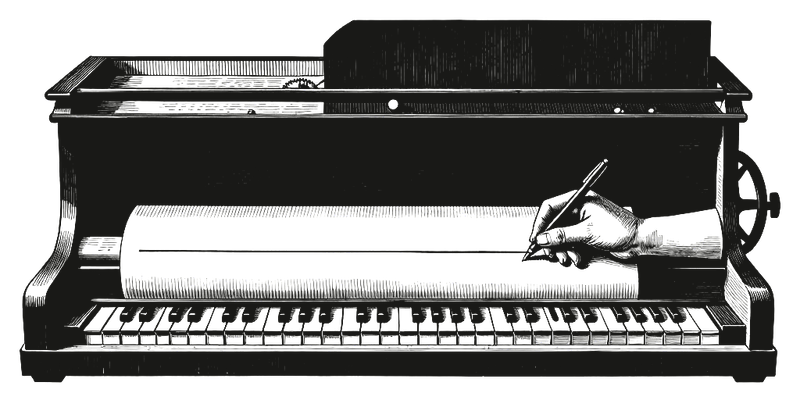
The shop's masthead — engraved, like everything else in the app, by our own image model.
Four voices
The plate sounds in one instrument at a time — the General MIDI program is written into the .mid the print hands back, so it plays the same anywhere.
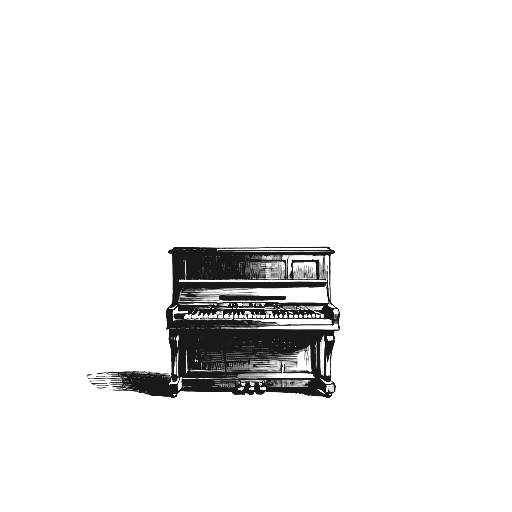
Piano
General MIDI 0 — the voice a hundred years of player pianos were built around. The ink sounds like it looks: straight, even, honest.
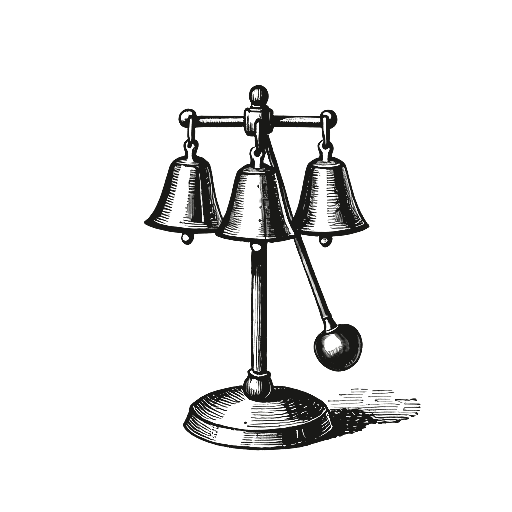
Bells
GM 8. Notes ring out on top of the roll — a clean chime for every run of ink, with nothing underneath to muddy it.
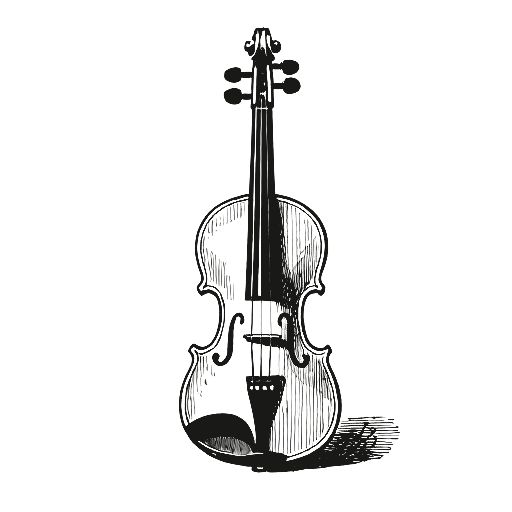
Strings
GM 24. Sustained notes hold and bleed into one another, so a long sweep across the plate reads as a single phrase.
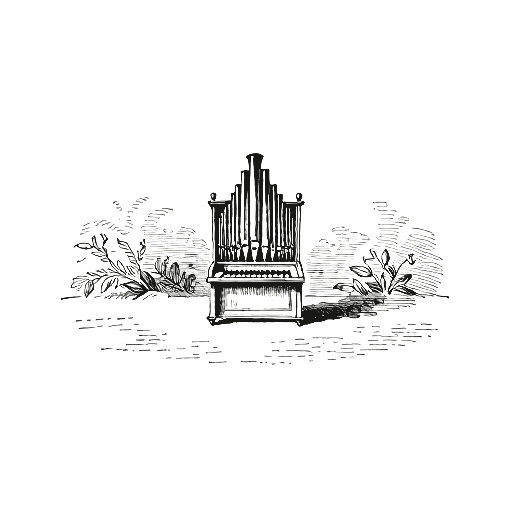
Organ
GM 18. A full reedy bed under the ink — the floor of the roll, the voice that makes the low rows feel weighted.
How the ink works
- 1Pick a voice — piano, bells, strings, or organ — and the whole plate plays in it.
- 2Drag to lay ink. Time runs left to right in sixteenth notes; pitch runs up the plate. The pen sounds what it inks, as it moves.
- 3The pen walks in either direction — backward as well as forward. A note is the whole region your stroke crosses, so one sweep can lay a run.
- 4There is no undo. Ink is ink.
- 5Lift the pen and the shop takes the print: an engraved plate with a number, a real .mid file, hung on the wall for anyone to play.
Under the Hood
One Go binary
Standard-library net/http with the entire front end embedded via go:embed, and SQLite in WAL mode for the plates. One process, one image; the wall's data lives on a persistent volume, so the prints survive restarts — and renames — alike.
A dependency-free front end
HTML, canvas and WebAudio in one hand-written script. No framework, no build step in the browser. The plate is a device-pixel-ratio-aware canvas, with the paper grain painted under the grid from the generated texture.
Shipped like client work
Docker image, Helm chart, our own CI pipeline — the same pipeline we ship everything else through, no exceptions. Live at demo.carefuldream.com/piano-roll.
Asleep when it's empty
A forward-auth waker we wrote sits in front of the ingress: the first request wakes the app, and idle traffic scales it back to zero. A demo that costs nothing when nobody's visiting.
The artwork is home-grown, too
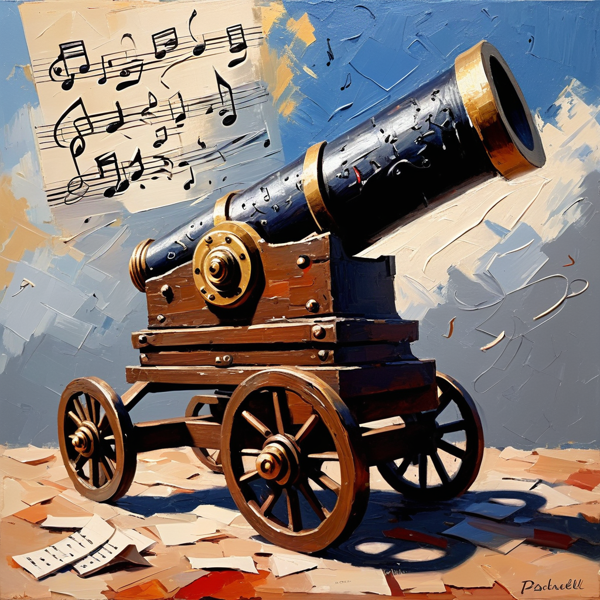
Everything the shop looks like — the masthead, the paper grain under the plate, the wall backdrop, the instrument icons, the empty-wall hook, the footer ornament — was generated by Vivid, our self-hosted image service: Stable Diffusion running on our own hardware, in a nineteenth-century steel-engraving style. A small Go program then post-processed every image to ink on transparent, so the art sits exactly on the shop's cream paper. The originals sit in Vivid's gallery, re-rerollable any time.
The shop's footer ornament, from the same model and the same style prompt.
Why it matters
Most "self-hosted" means the server. Here it means the whole chain: the agent that writes the code, the CI that ships it, the cluster that runs it, the waker that sleeps it, and the model that draws its own artwork. None of it is rented, and none of it is a black box we can't reach in.
The takeaway we carry to client work: the self-hosted shape scales. A print shop this small can run — artwork included — on infrastructure you own, at zero per-unit cost, with nothing to lock you in. We build for that shape on purpose, and we can put your product in it.
Have a project like this one?
We'd be glad to talk through your goals, your constraints, and whether we're the right team for the work.